Her Body Was Blocking Ozempic for 3 Months. One Test Showed Why — and Released 47 More Pounds of Fat.
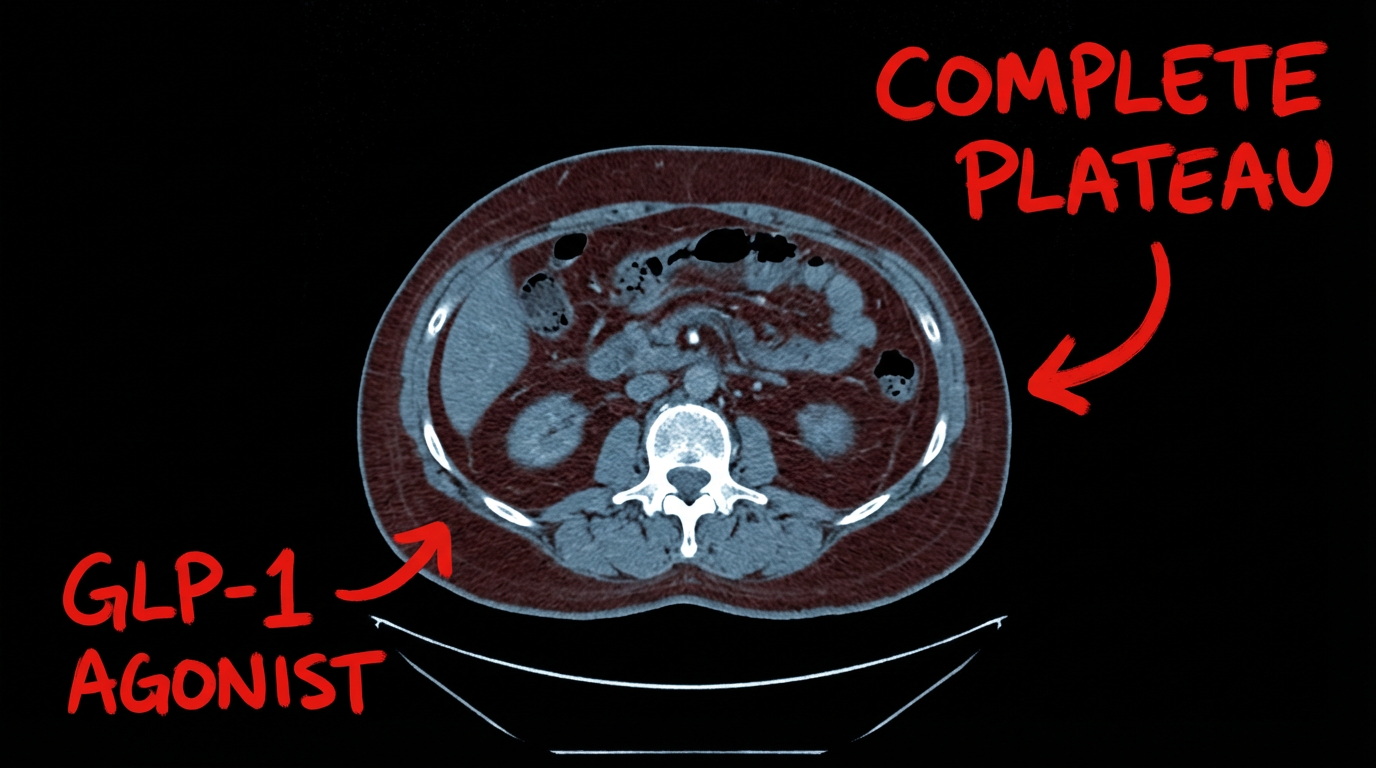
Laurie came in for a follow-up seven months into her GLP-1 treatment.
Her BMI was still in the obese range, but she'd already lost 42 pounds since starting. Good progress.
Her doctor was happy with the trajectory.
But for the last five weeks, her weight hadn't moved at all.
Her doctor wasn't concerned. Plateaus are normal on GLP-1, especially after significant initial loss.
He reminded her to keep her protein intake high, keep her fiber up, stay consistent with exercise.
Give it another month.
She came back four weeks later.
The scale still hadn't moved. Not even a pound.
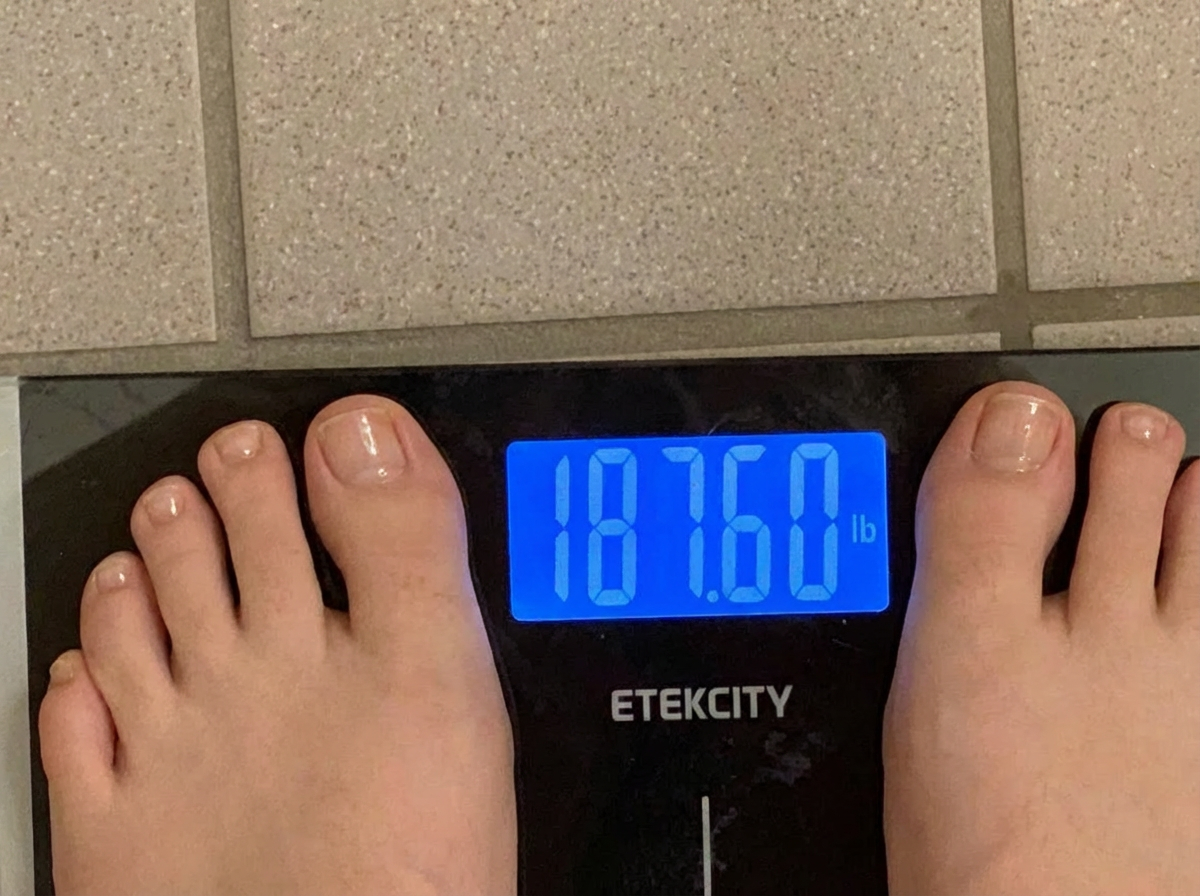
But it wasn't just the weight anymore.
The food noise was creeping back.
She was hungrier than she'd been in months.
She was more tired than she could explain.
And her hair was falling out — not a few strands in the shower, but enough to notice on her pillow every morning.
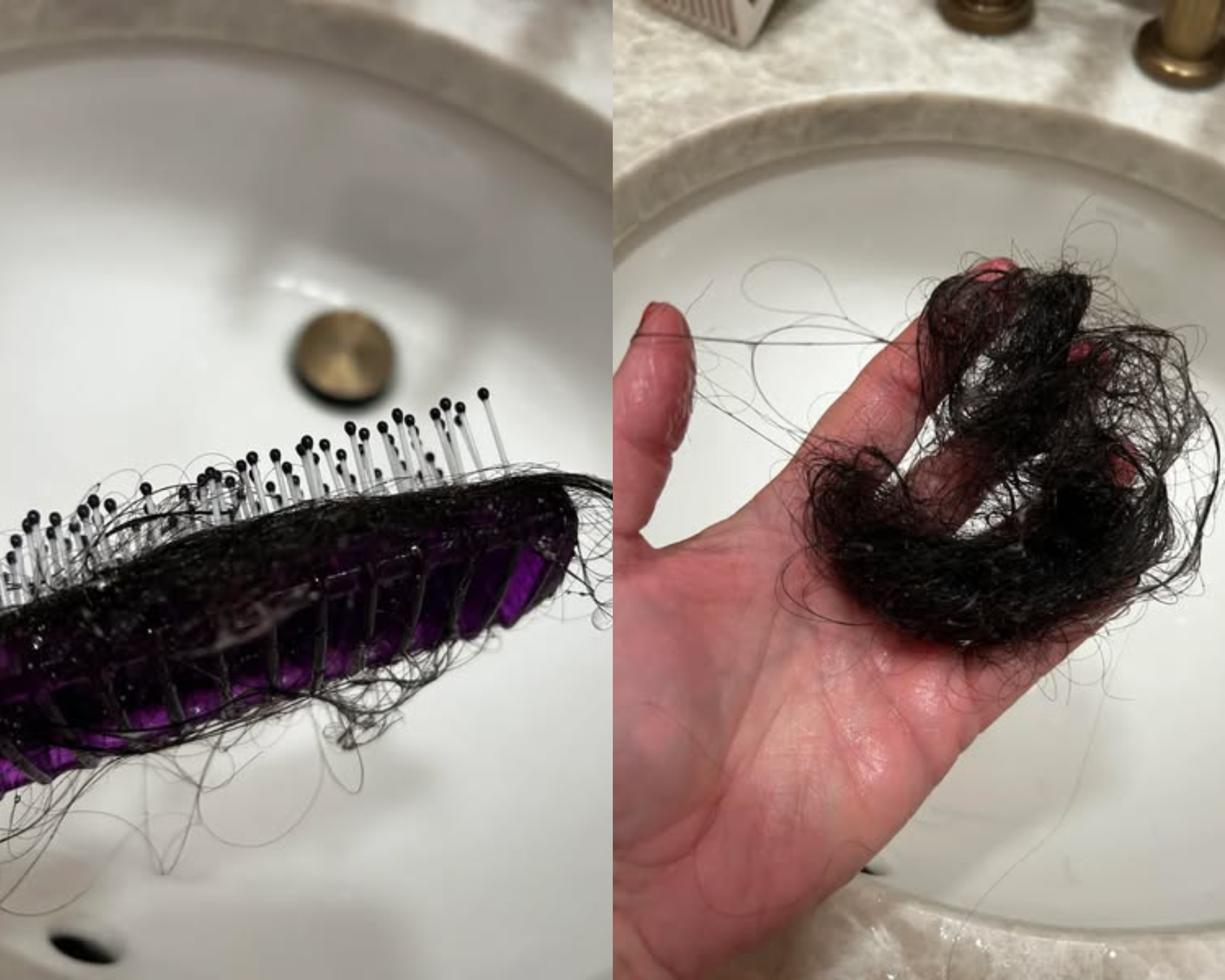
Enough to make her stomach drop every time she cleaned the drain.
She was on the maximum dose of semaglutide.
She was doing everything she'd been doing when she was losing two pounds a week.
And now she was fighting just to not gain it back.
Something had changed inside her body — and it wasn't the medication.
"This is a case study published in ScienceDirect in 2025. It documents a situation that is not commonly discussed — but may be far more widespread than the medical community currently acknowledges."Source · Peer-Reviewed Case Report · ScienceDirect 2025
If you are on a GLP-1 medication — or considering one — what follows may be one of the most important things you read about why weight loss plateaus happen, why certain side effects persist, and what can be done about both.
Every Number Said the Medication Was Working.
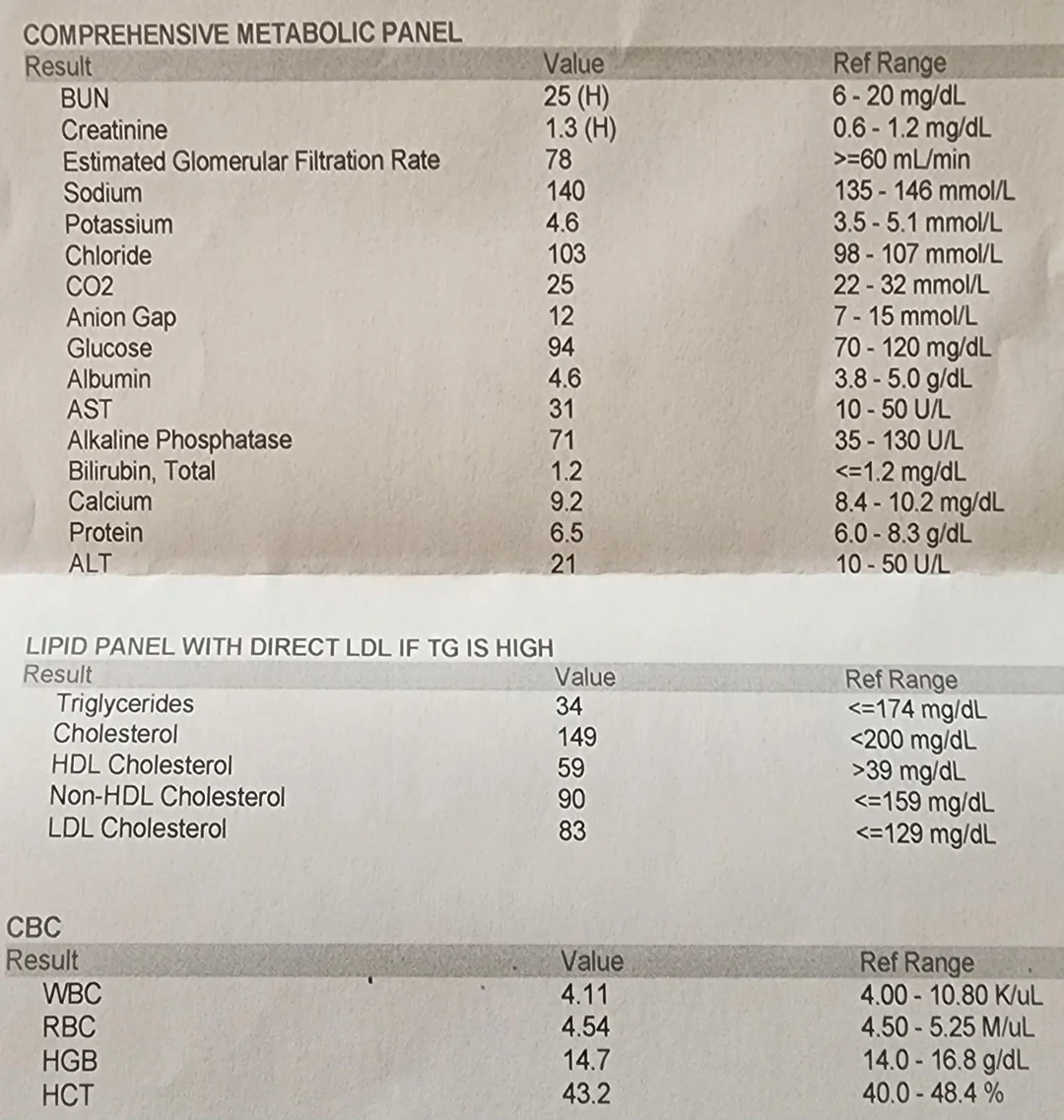
Her doctor ran the standard bloodwork.
By every standard test, her body looked healthier than when she began.
But the numbers didn't explain why she'd stopped losing weight.
They didn't explain the fatigue.
They didn't explain the hunger coming back.
They didn't explain the hair.
He Wasn't Looking at the Bloodwork.
Her endocrinologist looked at the case differently.
He wasn't looking at the bloodwork. He was looking at the pattern of symptoms:
- Slower weight loss that had turned into a persistent plateau.
- Hair shedding — even after the weight loss had already stopped.
- Constant fatigue that didn't match her sleep or activity.
- Muscle loss and measurable physical weakness.
- Increased facial puffiness.
He'd seen this pattern before.
He ordered a test that isn't part of any standard GLP-1 panel — a cortisol suppression test.
One Result. Everything Changed.
The result came back clearly abnormal.
Her morning cortisol was nearly four times above the suppressed range.
Her body had received a signal to stop producing cortisol overnight, and it had ignored it completely.
They checked for tumors — pituitary and adrenal. Both scans came back clean.
Her body was quietly overproducing cortisol without any identifiable trigger.
Why This Matters If You're On a GLP-1.
Recent studies — including research from Georgia State University in collaboration with Emory University — confirm that GLP-1 injections can directly raise the cortisol response in your body.
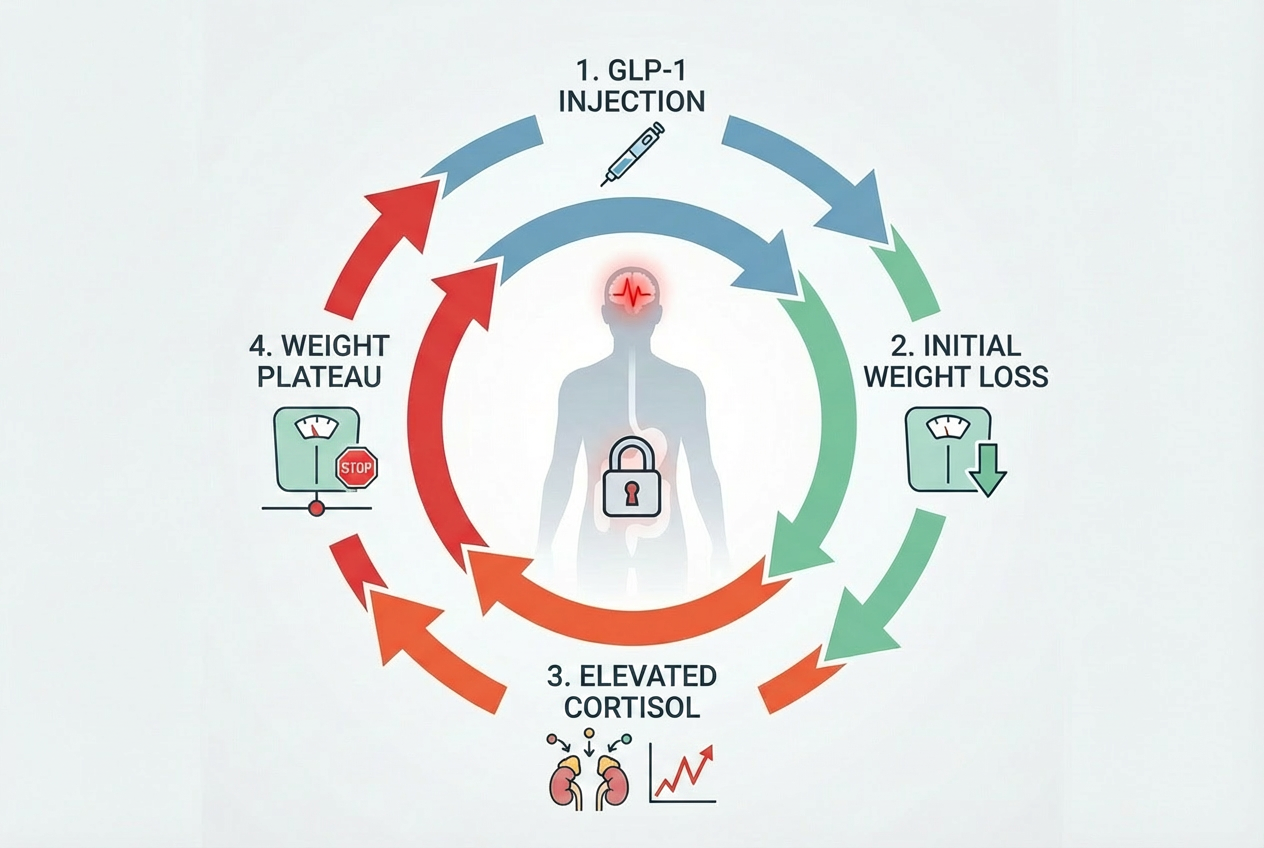
This means that most GLP-1 users may be experiencing elevated cortisol as a direct result of their treatment. And it directly affects how their bodies respond to the medication.
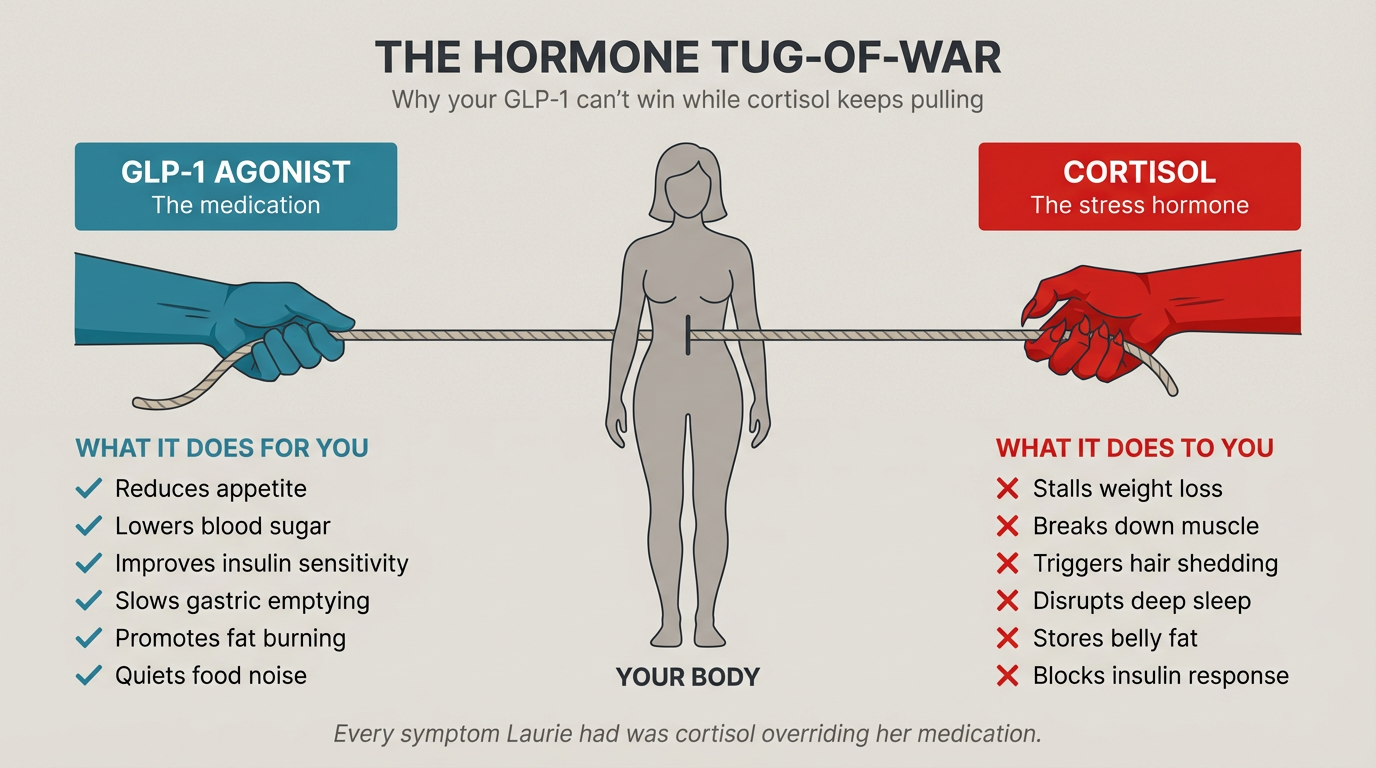
Here is what cortisol does when it's elevated:
- Locks fat around the abdominal area.Visceral adipose is the most cortisol-responsive tissue in the body.
- Increases muscle loss.Cortisol converts lean tissue to glucose to maintain blood sugar.
- Triggers hair shedding.Pushes hair follicles into a resting phase, causing them to fall out in clusters.
- Increases appetite and food cravings.Even on the highest dose of an appetite suppressant.
- Disrupts sleep architecture.Suppresses the deep-sleep stages where cortisol should reset overnight.
- Creates persistent fatigue."Wired but tired" — classic HPA-axis dysregulation.
Every symptom Laurie had was cortisol overriding her medication.
Recent research points out that reducing the cortisol response combined with GLP-1 treatment:
"…produced greater weight loss — and importantly, better weight-loss quality, meaning more fat loss and less muscle loss."Research Finding · Georgia State University / Emory University
Same Medication. Same Dose. Only Cortisol Changed.
Her doctor started her on a cortisol-lowering treatment alongside her existing semaglutide.
The only thing that changed was the cortisol.
Within the following weeks, her weight started moving again.
Her face leaned out.
Her hair shedding slowed down noticeably.
Over the following months, she lost an additional 47 pounds.
Total weight loss: 89 pounds.
Forty-two from the medication alone, then a plateau that lasted months, then 47 more after cortisol was addressed.
The medication hadn't stopped working.
It had been fighting a hormone that was working against it the entire time.
This Isn't Just Laurie.
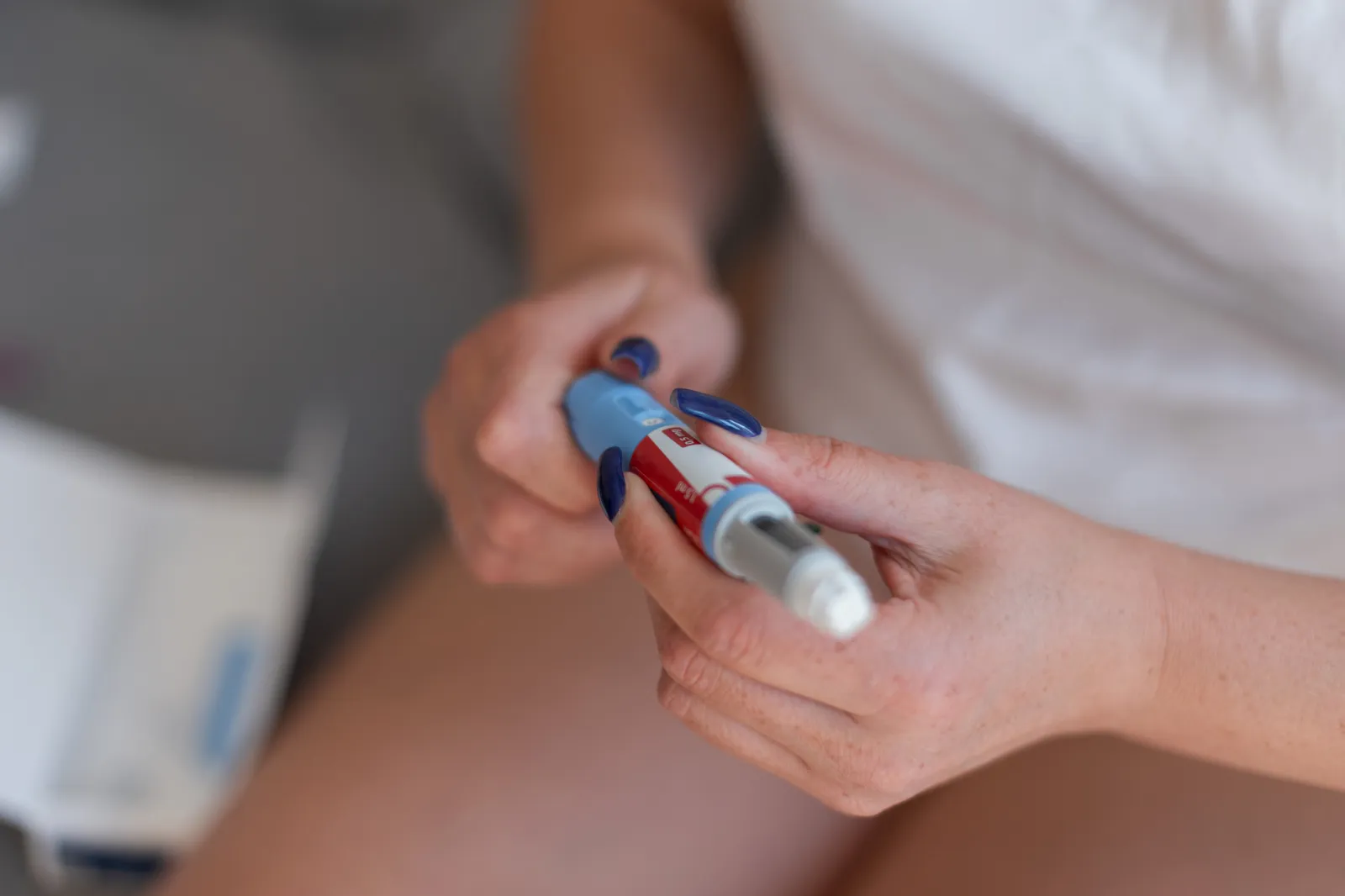
Elevated cortisol is a normal biological response to GLP-1 hormone and low-calorie diet.
Addressing it could create a safer environment for your body to release weight, while preserving your hair and muscle — and recent studies confirm it.
In Laurie's case, pharmaceutical treatments were used for cortisol lowering.
However, even if you haven't hit the plateau yet — healthy habits like consistent, restorative sleep and specific natural ingredients, researched for cortisol regulation can be highly effective when paired with GLP-1.
Based on the available research, we assembled a protocol that is completely safe to pair with your medication.
It was made to lower cortisol for safer, more efficient weight loss on GLP-1:
Four Compounds. Clinical Evidence. Therapeutic Dosing.
L-Theanine
L-Theanine was the first.
We went through adaptogens, herbs, and amino acids. Most either didn't cross the blood-brain barrier or took months to build up in the system.
L-Theanine was different. A study published in Nutrients showed it reduced salivary cortisol within 60 minutes of intake.
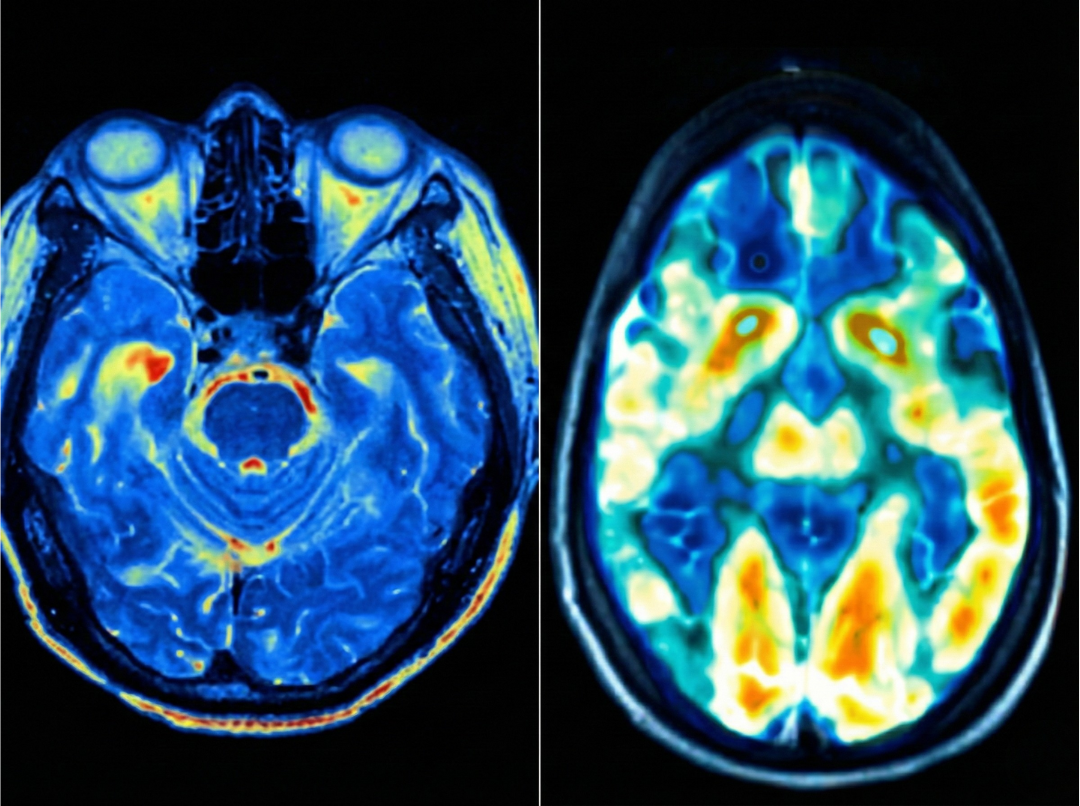
For GLP-1 users, this is critical — because cortisol is what locks fat cells in storage mode, breaks down muscle tissue, and drives the food cravings back up even on the highest dose.
L-Theanine lowers cortisol fast enough to let the medication do its job on the same day you take it.
Saffron & Magnesium Bisglycinate
Individually, both compounds have solid clinical data for cortisol reduction.
But paired together, they address the cravings that come back during a plateau, and the broken sleep that keeps cortisol elevated in the first place.
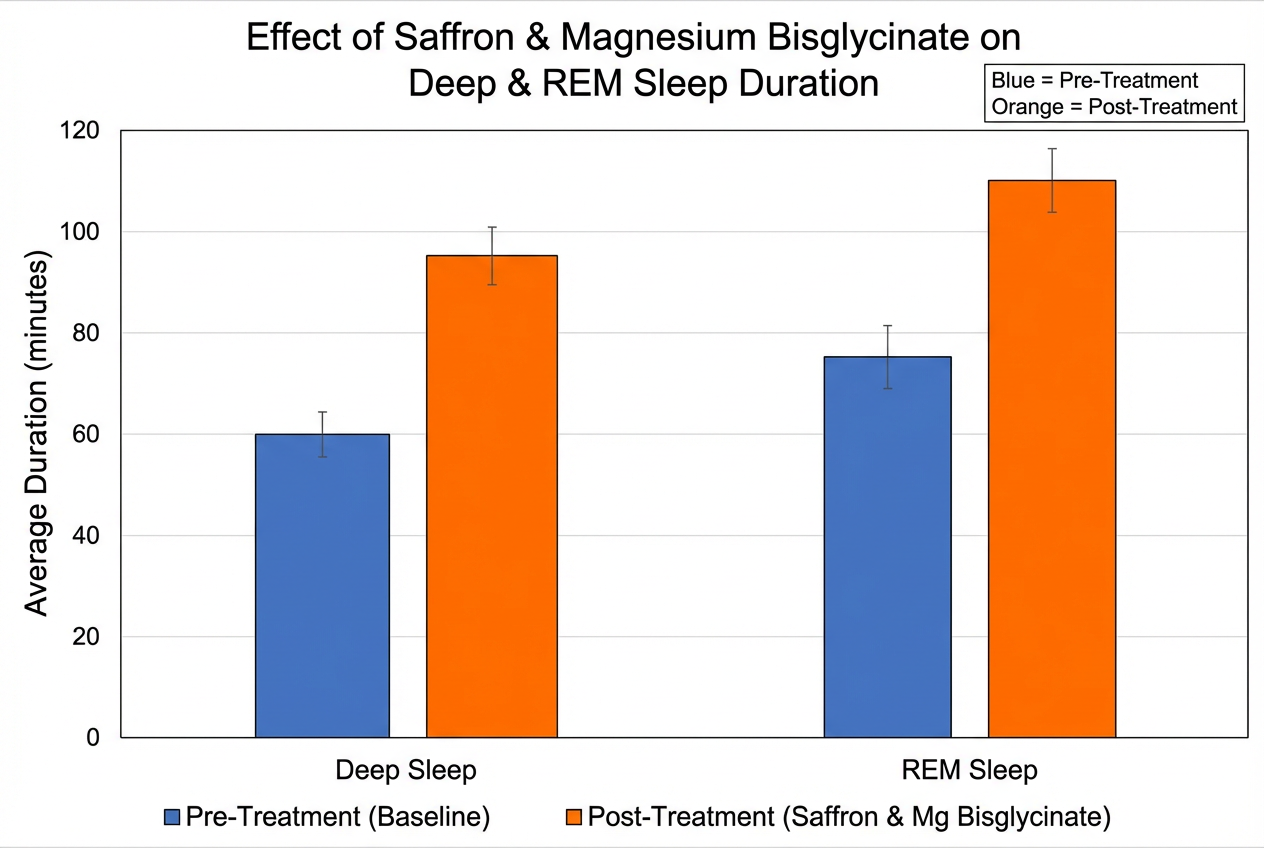
Saffron directly regulates the hunger hormones that cortisol pushes back up.
Magnesium Bisglycinate is the mineral your body needs to downshift into recovery at night — the state where cortisol actually resets overnight.
A clinical trial showed this combination improved sleep quality scores by 44%, and substantially reduced the chance of food noise returning while on GLP-1.
Ginger Extract (Gingerol-Standardized)
Active compounds in ginger extract have been shown to restore gut-brain signaling and reduce the inflammatory markers that cortisol elevates throughout the body.
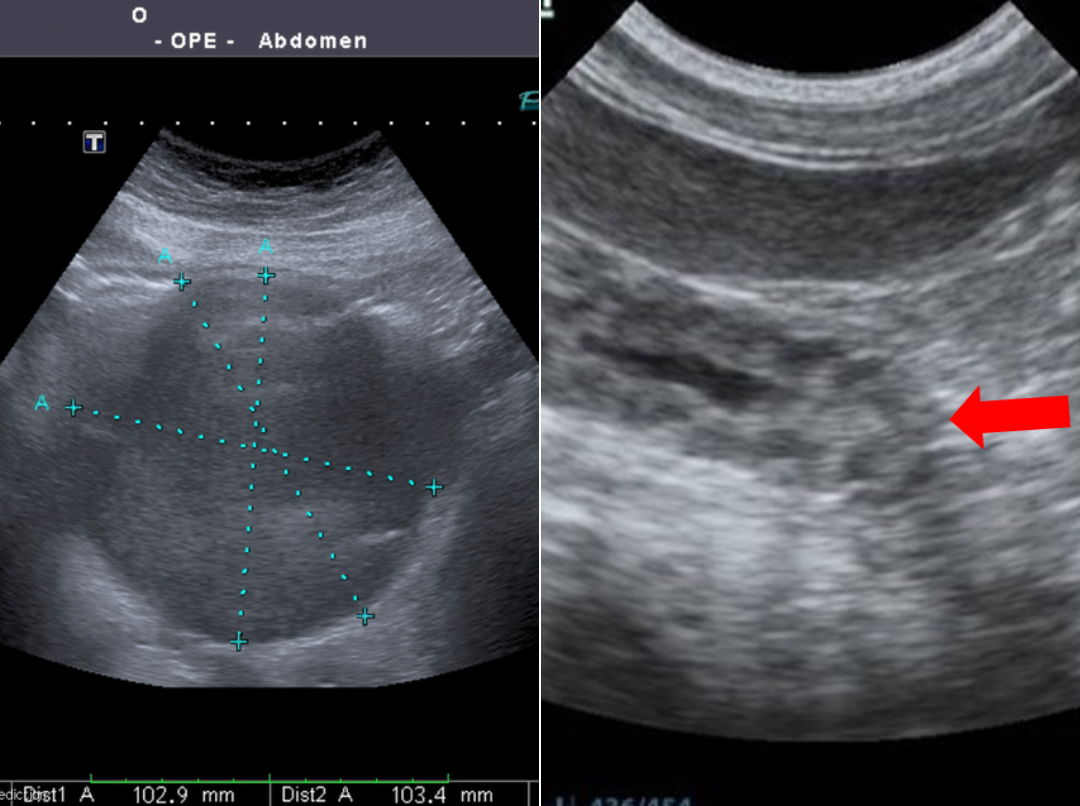
The practical effect for GLP-1 users: your medication reaches more cells, which increases the fat-burning effect, while protecting the muscles.
So Now We Had the Blueprint.
These specific compounds could help millions of people continue their weight loss — but with significantly better results.
To deliver these nutrients in therapeutic doses, we had to deliver them in a single, easy-to-digest format that wouldn't upset a sensitive stomach.
What Happened When We Put It All Together.
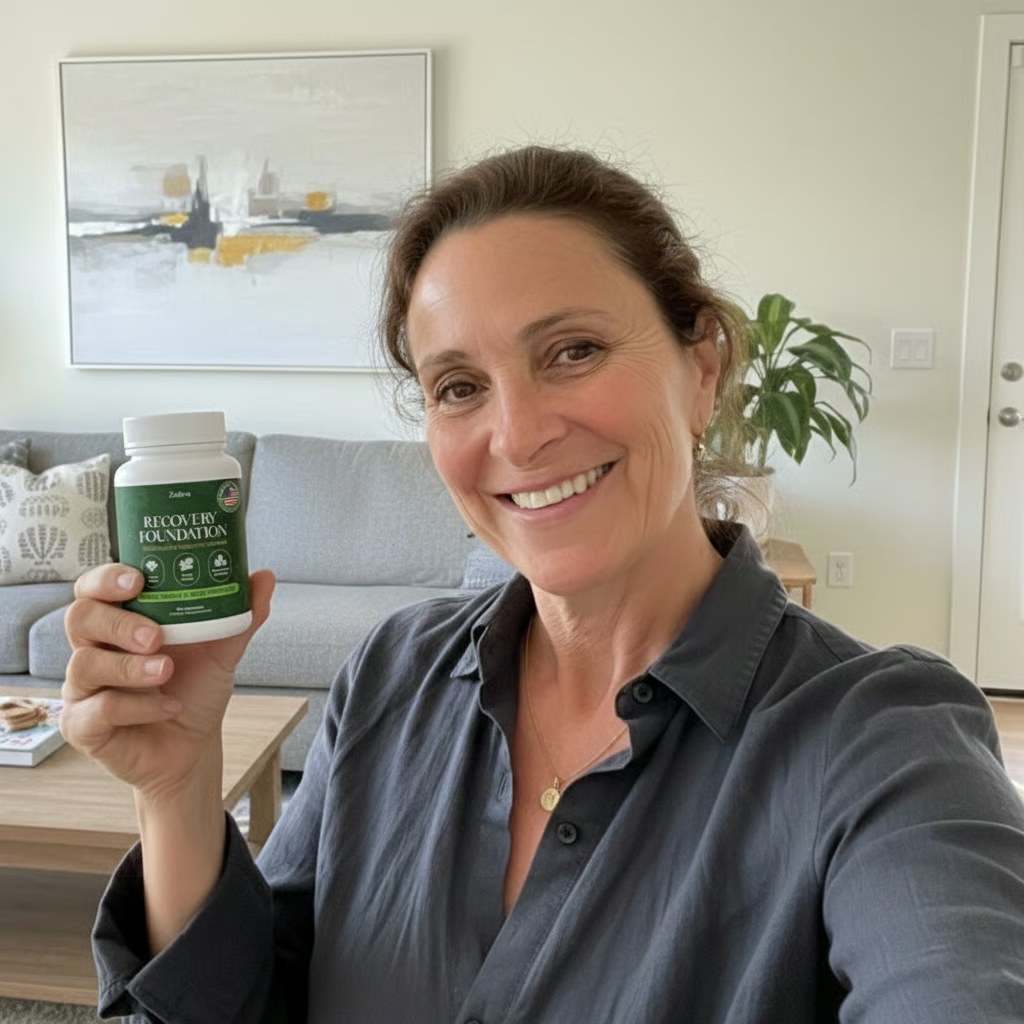
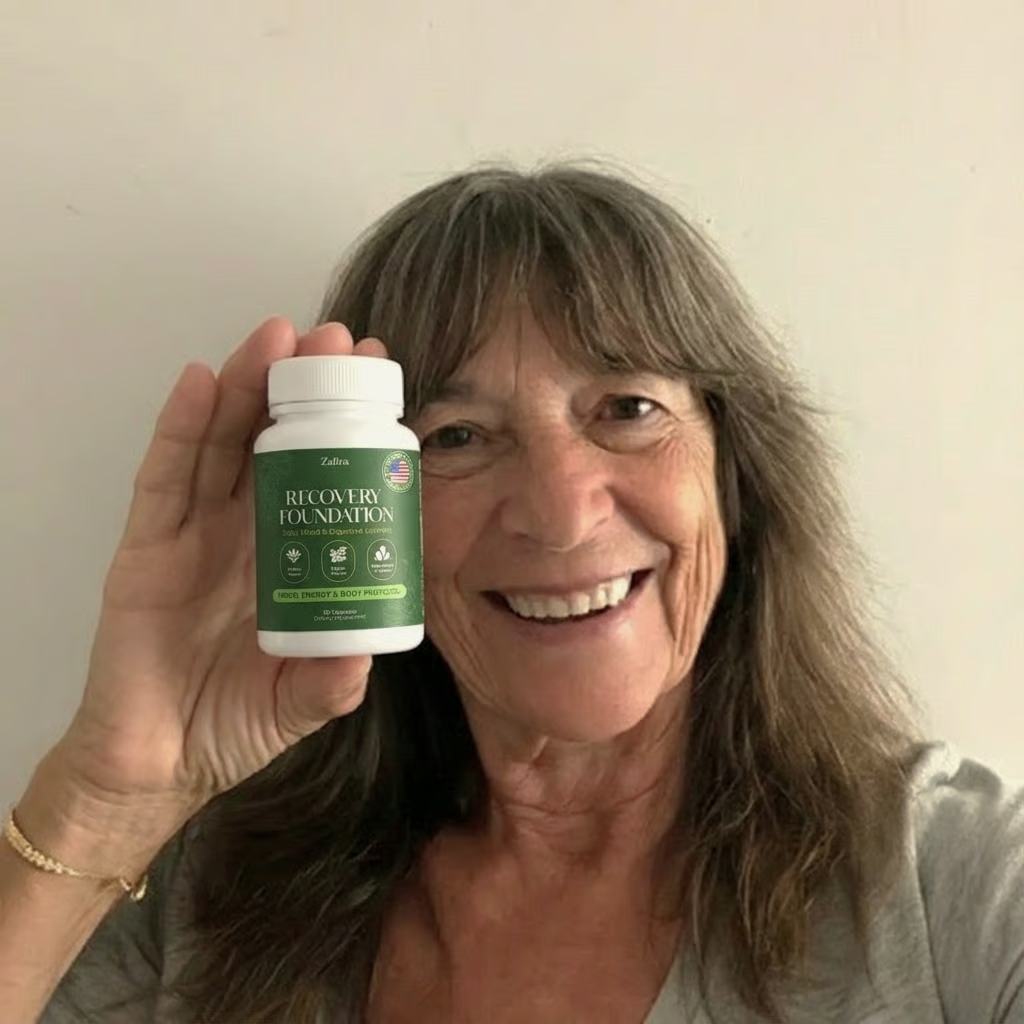
Here are the changes GLP-1 users report once they start:
- The exhaustion lifts.The "wired but tired" feeling that cortisol creates is replaced by steady, usable energy.
- Your sleep comes back.You fall asleep and stay asleep.
- The food noise stays quiet.Cortisol doesn't spike the appetite, even in the last couple days before the shot.
- Your muscle stays where it belongs.Users with lower cortisol levels lose significantly less muscle on the GLP-1 treatment.
- The plateau breaks.Your body finally feels safe enough to start releasing weight.
- The hair shedding slows.Your follicles come out of the resting phase that cortisol forced them into.
It isn't magic. It's physiology. When cortisol drops, the medication works.
What GLP-1 Users Are Reporting.
Try It For 60 Days Without a Risk.
If you don't see a difference in your plateau, your sleep, your hair, or how you feel on your medication within 60 days — you pay nothing. We can offer that because the research behind this protocol is not ambiguous. Either the science holds, or you get your money back.
Forty-two pounds lost. Then nothing for months. Then 47 more — same medication, same dose — when cortisol was addressed.
Recovery Foundation removes the cortisol interference that stalls your GLP-1 results — so the drug you're already taking can work the way it was meant to.